Focused arrival windows
Useful updates and clear arrival timing.
If your washer hums but the drum stays dry, you need washer not filling repair Seguin TX homeowners call first. We diagnose clogged inlet screens, failed water inlet valves, faulty pressure switches, and kinked supply lines on Whirlpool, GE Appliances, Samsung, LG, and Maytag machines. Most fill-cycle failures trace back to one part, and we carry the common ones on the truck. Call 1123123123 and we'll get your laundry back on schedule.
Useful updates and clear arrival timing.
Review the approach and price before deciding.
Equipped vehicles and respectful cleanup.
Neighbors serving neighbors with follow-through.
Every fill repair visit covers a full diagnostic of the water path from wall valve to drum, plus the parts and labor to fix what failed. Here's what you get when we show up, and what we'll flag as an add-on if we find it.
We test wall valve flow, inspect inlet screens, meter the solenoid coils, check the pressure switch tube, and verify the control board signal. That covers every component between the supply line and the drum, so we don't miss a second fault hiding behind the first.
If the solenoid coils are out of spec or the valve body is cracked, we replace the whole assembly with an OEM-spec part. Most top-loader valve swaps take 30 to 45 minutes, and the new valve carries our 90-day parts and labor warranty.
Seguin's hard water leaves calcium and magnesium deposits on the mesh screens where the hoses meet the valve. We pull the screens, descale them, and flush the lines. This alone fixes a surprising number of slow-fill complaints for under $150.
Stiff, bulging, or cracked hoses are a flood waiting to happen. We inspect both hot and cold lines and replace any hose that's past its service life. Burst hoses are one of the most common causes of laundry-room water damage we see.
The pressure switch tells the machine when to stop filling. If it's stuck or its tube is clogged, the washer will short-fill or overfill. We test it with a multimeter and replace it if it's out of spec, usually a 20 to 30 minute job.
We run a full fill cycle in your laundry room before we leave, watching the drum level and checking water temperature with a thermometer and temperature probe. If anything is off, we adjust it on the spot rather than scheduling a callback.
Share what is happening and receive a clear next step from the local team.
Washer not filling repair Seguin TX is a diagnostic and parts-replacement service that restores proper water flow into your washing machine's drum during the fill cycle. When you press start and hear the timer click but no water enters, the problem lives somewhere between the wall valve and the inlet valve solenoid. We test line pressure, inspect the mesh screens, check the pressure switch tube, and meter the solenoid coils with a digital multimeter. Most calls end with a new water inlet valve, a cleared screen, or a straightened supply line.
Seguin sits on hard Hill Country water, and that mineral load is brutal on inlet screens and valve diaphragms. Homes in Cordova Crossing and Mill Creek Crossing built through the 1990s and 2000s often still run original supply hoses that have stiffened and partially collapsed. If you've been searching for washing machine water inlet repair near me Seguin, the culprit is usually scale, not the machine itself. We see it weekly across Guadalupe County.
When you call 1123123123, we ask three questions: does the drum spin, does water trickle or not flow at all, and what brand is the machine. That tells us whether to load a water inlet valve, a pressure switch, or both before we roll. Takes about four minutes.
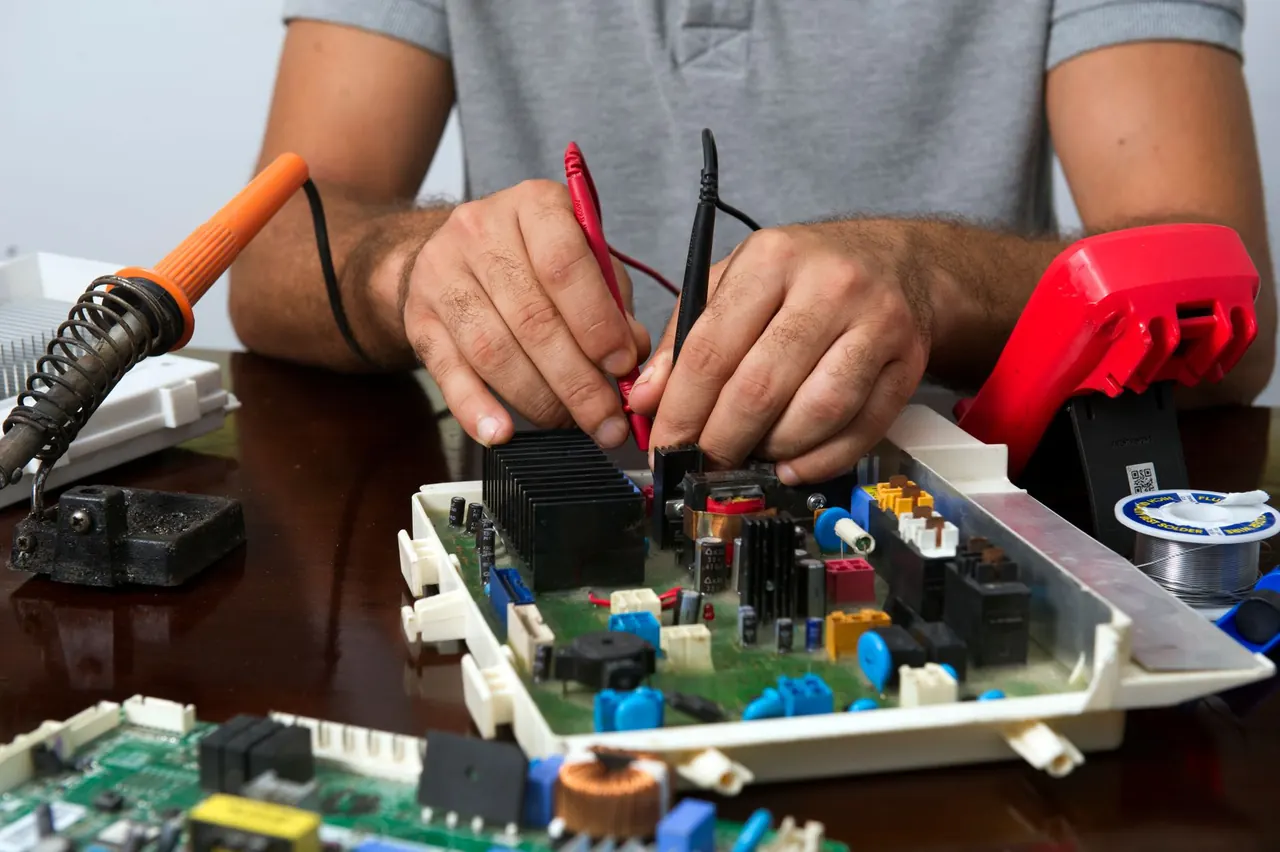
We pull the washer out, shut the supply valves, and disconnect the hoses. A digital multimeter checks solenoid coil resistance, usually 50 to 1,000 ohms depending on the brand. We inspect the inlet screens for scale and confirm wall-valve flow with a bucket test.
If the inlet valve is dead, we swap it, typically a 30 to 45 minute job on most top-loaders. If the screens are clogged, we clean them and flush the lines. We replace stiff or bulging supply hoses on the spot rather than reinstalling a hose that's about to burst.
We reconnect everything, open the valves, and run a full fill cycle while watching the drum level. A thermometer and temperature probe confirm the hot and cold mix is correct. If the machine short-fills or overfills, we adjust the pressure switch before we pack up.
Before we leave, we show you what failed, what we replaced, and how to keep the screens clean. You get a written invoice with the 90-day parts and labor warranty on it. Most visits wrap in 60 to 90 minutes total.
Tests water inlet valve solenoid coil resistance and verifies control board output voltage. A reading outside the manufacturer's spec range confirms a failed coil without guesswork.
Measures current draw on the fill valve circuit and the drive motor. Helps us spot a shorted coil or a control board sending the wrong signal.
Confirms the hot and cold water mix during the fill cycle. If the machine fills cold on a hot setting, this tool proves it in seconds.
Removes the washer's back panel, top panel, and valve mounting screws without stripping heads. Essential for accessing the inlet valve on top-load and front-load machines.
Cleans up any water spillage from a disconnected supply hose and clears debris from around the valve area before we start the repair.
We carry braided stainless and reinforced rubber hoses on the truck. If your existing hoses are stiff, bulging, or cracked, we swap them during the same visit.
We test each part in the fill circuit individually: wall valve flow, inlet screen condition, solenoid coil resistance, pressure switch continuity, and control board output. This method isolates the actual failure instead of replacing parts until something works.
Before blaming the washer, we confirm the home's shutoff valve is fully open and delivering adequate pressure. A half-closed valve mimics a failed inlet valve, and we've seen it more than once on homes in Guadalupe County.
The pressure switch controls fill level. We test its continuity, inspect the air tube for clogs, and verify it opens and closes at the correct drum level. A stuck switch causes both short-fill and overfill problems.
After any repair, we run a complete fill cycle in your laundry room and watch the drum level, water temperature, and cycle timing. We don't call a job done until the machine fills correctly and moves on to the wash phase.
Every electrical connection we touch is reconnected to UL appliance safety standards, with proper grounding and strain relief. Water and electricity in the same appliance demand that discipline.
We prioritize no-fill calls because they stop your whole household. Call before noon and we can usually be there the same afternoon with an inlet valve on the truck. We diagnose, replace the failed part, and run a test cycle in one visit. You're doing laundry again the same day, usually within 60 to 90 minutes of the technician arriving.
Slow fill is the early warning sign of scale buildup or a weakening valve. We clean the inlet screens, test flow at the wall valve, and replace the valve if the coils are drifting out of spec. It's a $150 to $250 fix that prevents a full failure later. Fill times drop back to normal, and you avoid an emergency no-fill call down the road.
We check the wall shutoff valves first, since they're often left partially closed after a move. Then we inspect the supply hoses for kinks and the inlet screens for debris from sitting unused. Many of these calls are fixed without any parts at all. You get a working washer and a clear picture of which hoses and valves may need replacing soon.
That's a classic sign of a failed hot-side solenoid on a dual-inlet valve. We meter both coils, confirm which side is dead, and replace the valve assembly. We verify the hot and cold mix with a temperature probe before we leave. Your hot wash settings work again, and your whites and towels get the temperature they need.
Seguin's water is the single biggest factor in how often we get called for washer fill problems. The city draws from the Guadalupe River and local wells, and that water carries enough calcium and magnesium to scale up inlet screens in two to three years. Homes in Cordova Crossing and Mill Creek Crossing, many built in the 1990s and 2000s, often still have original supply hoses that have hardened and narrowed. We see the same pattern in the older housing stock near Downtown Seguin and the Seguin Downtown Historic District, where laundry rooms were retrofitted into spaces that weren't originally plumbed for a washer. When you call for washer not taking in water repair Seguin TX, we ask about the home's age and water source on the phone, because it tells us whether to expect a clogged screen or a failed valve. If you need local service for a washing machine that fills slowly Seguin, we can usually diagnose it in one visit and have you back to normal laundry within 90 minutes.
1990s and 2000s construction with original supply hoses still in service. Hard water scale on inlet screens is the most common fill problem we see here.
Older homes with retrofitted laundry spaces. Wall shutoff valves are sometimes original and stiff, and we check them carefully before disconnecting any hose.
Family-heavy neighborhood with high washer usage. Fill valve failures here often show up as slow fill before they become no-fill calls.
Newer builds where we mostly see installation-related issues: kinked hoses, partially closed wall valves, and inlet screens clogged with construction debris.
Well-water homes on the outskirts of Seguin. Mineral content runs higher than city water, so inlet screens clog faster and valve diaphragms wear sooner.
Inlet screens scale up in two to three years instead of five or more. We recommend an annual screen cleaning for Seguin homeowners to prevent slow-fill problems from turning into no-fill emergencies.
More laundry means more fill cycles and faster wear on the inlet valve solenoid. We see a spike in fill repair calls from June through September across Guadalupe County.
Wall shutoff valves in pre-1980s homes can seize or leak when turned. We test them gently and replace them if they won't hold, rather than forcing them and causing a bigger problem.
Well water often carries sediment that clogs inlet screens faster than treated city water. We flush the lines and install fresh screens, and we tell you how often to check them based on your water source.
A Cordova Crossing homeowner's Maytag top-loader hummed but never took in water. She'd been hauling laundry to a relative's house for four days. The inlet valve solenoid coils read open on the multimeter, confirming a dead valve.
We replaced the water inlet valve in 40 minutes and ran a full fill cycle. The drum filled to the correct level in under three minutes, and the machine moved into the wash phase normally. Total bill: $240 with parts and labor.
Maintenance: We told her to check the inlet screens every six months and to run a hot water cycle monthly to slow scale buildup. She's had no fill issues since.
An LG front-loader in Mill Creek Crossing was taking 18 minutes to fill. The homeowner had adjusted her wash schedule around it. The inlet screens were caked with white scale from Seguin's hard water, and one supply hose was stiff and partially collapsed.
We descaled both inlet screens, replaced the stiff hose with a braided stainless line, and tested flow. Fill time dropped from 18 minutes to under 4. The repair came in at $165, and she canceled the new washer she'd been shopping for.
Maintenance: We recommended an annual screen cleaning and a whole-home water softener if she wanted to extend the life of the machine further. She's on our reminder list now.
A Downtown Seguin homeowner called after her Whirlpool overfilled and spilled water across the laundry room floor twice in one week. The pressure switch tube was clogged with lint and detergent residue, and the switch itself was sticking.
We cleared the pressure switch tube, replaced the sticking switch, and verified the fill level with a test cycle. The machine now stops at the correct level every time. The repair was $195, far less than the flooring repair she was bracing for.
Maintenance: We showed her how to check the pressure switch tube every few months and recommended using less detergent to keep residue from building up in the tube.
If your washer won't take in water, fills too slowly, or overfills, we've seen it before. Here are the fill-cycle failures we fix most often in Seguin and Guadalupe County.
The machine runs through its cycle dry, leaving clothes unwashed and the drum spinning with no water. If you keep running it, the pump and motor wear faster from the dry load. We test the inlet valve solenoid coils with a digital multimeter. A reading outside the 50 to 1,000 ohm range means the coil is dead. We replace the valve assembly, usually in under 45 minutes, and run a test fill before we leave.
Long fill times stretch every wash cycle and often signal a partially blocked screen or a weak valve. Left alone, the valve eventually fails completely and you're back to no water at all. We pull the supply hoses and inspect the inlet screens. In Seguin's hard water, scale buildup is the usual cause. We descale the screens, flush the lines, and test flow at the wall valve. Most slow-fill calls resolve for $150 to $200.
An overfilling washer can flood your laundry room, damage flooring, and soak into the subfloor. It's a water-damage risk, not just an inconvenience. This usually points to a stuck pressure switch or a clogged pressure switch tube. We test the switch, clear the tube, and replace the switch if it's failed. We also check the water inlet valve for a stuck-open condition that can cause the same symptom.
Your clothes don't get the hot wash you selected, which matters for whites, towels, and anything sanitary. It often means one side of the inlet valve has failed. Dual-solenoid inlet valves have separate hot and cold coils. We meter both, confirm which side failed, and replace the valve. We verify the fix with a thermometer and temperature probe during the test cycle.
$150 - $320 for most washer fill repairs, including parts and labor
Honest 2026 pricing for washer fill repair in the Seguin area runs $150 to $320 for most jobs, depending on the part and the machine. A screen cleaning or hose replacement usually lands at the low end. A water inlet valve replacement with a dual-solenoid assembly sits at the higher end. Diagnostic fees are credited toward the repair when you approve the work, so you're not paying twice. We quote the number before we start, and it doesn't change unless we find a second failed component we can show you.
A $240 valve replacement beats a $700 new washer and a week at the laundromat. Our 90-day parts and labor warranty means if the same problem returns, we come back at no charge. That's the whole pitch.
A standard single-solenoid inlet valve runs less than a dual-solenoid assembly for a front-loader. We stock the most common valves on the truck, which keeps the price down and avoids a second trip charge for ordering parts.
Top-loaders are usually a 30 to 45 minute valve swap. Front-loaders and stacked units take longer because of panel removal and tighter access. We quote based on your specific model when you call.
If the inlet valve and the pressure switch both failed, the repair costs more than a single-part fix. We test every component in the fill circuit and show you what's out of spec before we replace anything.
If your hoses are stiff, bulging, or cracked, we replace them during the visit. A pair of braided stainless hoses adds $30 to $60 to the bill, and it's cheap insurance against a burst-hose flood.
If the shutoff valve behind the washer won't close or is seized, we may need to replace it before we can safely disconnect the hoses. That's a plumbing repair, and we'll quote it separately before doing the work.
Parts for Whirlpool, GE Appliances, and Maytag are widely available and inexpensive. Samsung, LG, Bosch, and KitchenAid valves can cost more, and some high-efficiency models need specific OEM parts that take a day to source.

Our technicians train on manufacturer-authorized service procedures for Whirlpool, GE Appliances, Samsung, and LG laundry platforms, and we hold EPA Section 608 technician certification for the sealed-system work we do on refrigerators. Fill-cycle troubleshooting is core to what we run every week across Guadalupe County. We use the same diagnostic discipline on a washer inlet valve that we use on a refrigerator compressor: meter the component, verify the circuit, replace only what failed. That approach keeps your repair bill honest and your machine out of the landfill.
Our Maytag top-loader stopped taking in water on a Sunday. I called Monday morning and they were here by 2 p.m. The tech tested the inlet valve with a meter, showed me the reading was out of spec, and had a new one installed in about 40 minutes. Total was $240 and the machine has filled perfectly since. No upsell, no drama.
We've got hard water out here and our LG front-loader was filling so slowly it took 20 minutes just to get enough water in. They cleaned the inlet screens, which were caked with scale, and replaced a stiff supply hose. $165 out the door. I've already told two neighbors to call these guys.
I thought my 12-year-old Whirlpool was done for. The technician tested the pressure switch, found it was stuck, and swapped it in under an hour. He also checked the drain and spin while he was in there and told me the rest of the machine was solid. Honest diagnosis at a fair price.
The most common cause is a clogged inlet screen or a failed water inlet valve, and Seguin's hard water makes both more likely. Other culprits include a kinked supply hose, a stuck pressure switch, or a wall shutoff valve that's only half open. We test each one in order and replace only the failed part.
We do. Seguin Texas Refrigerator Repair Pros handles washing machine water inlet repair across Seguin and Guadalupe County, including ZIP codes 78155, 78115, and 78156. Call 1123123123 and we'll schedule a same-day or next-day visit, depending on when you reach us.
Typical 2026 pricing in the Seguin area runs $150 to $320 for a water inlet valve replacement, including the part and labor. A screen cleaning or hose swap usually lands at the lower end. Diagnostic fees are credited toward the repair when you approve the work, so you're not paying twice.
Yes, in most cases. Call before noon and we can usually have a technician at your door the same afternoon. We carry inlet valves and pressure switches for Whirlpool, GE Appliances, Samsung, LG, and Maytag on the truck, so a slow fill cycle repair often wraps in a single 60 to 90 minute visit.
Not seeing your question? Our local team can help you understand urgency, scheduling and what to expect.
Ask the local team
General refrigerator repair covers the same diagnostic discipline we use on washers: meter the component, verify the circuit, replace what failed. If your fridge and washer are both acting up, we can look at both on one visit and save you a second trip charge.
View service
A fridge that won't cool and a washer that won't fill share a symptom profile: the machine runs but the core function fails. We diagnose compressor, evaporator fan motor, and start relay issues with the same methodical approach we bring to your laundry room.
View serviceWater where it shouldn't be is a theme in both services. Refrigerator water leak repair traces clogs in the drain tube and failed water inlet valve assemblies, the same parts family that causes washer fill failures. One call covers both appliances if needed.
View service
Ice makers and washing machines both depend on a water inlet valve to meter flow. When your ice maker stops producing ice and your washer stops filling, a single technician can test both valves and replace whichever one failed.
View serviceCall us at 1123123123 or email info@seguintexasrefrigeratorrepairpros.com to schedule your refrigerator repair. We answer calls 24/7 and offer same-day appointments in most cases. Our office is located at 123 Main Street in Seguin, Texas, and we serve all of Guadalupe County.