Focused arrival windows
Useful updates and clear arrival timing.

When your fridge quits cooling, refrigerator compressor repair Seguin TX homeowners trust starts with a real diagnosis, not a guess. We test the start relay, windings, and refrigerant charge with a digital multimeter and clamp meter, then tell you straight whether a repair or replacement makes sense. Serving Guadalupe County homes from Downtown Seguin to Navarro Crossing, we stock common Whirlpool, GE Appliances, and Frigidaire parts on the truck.
Useful updates and clear arrival timing.
Review the approach and price before deciding.
Equipped vehicles and respectful cleanup.
Neighbors serving neighbors with follow-through.
Every compressor job we run in Seguin follows the same checklist. Here's what's covered in the standard price, and what we'd quote separately if your unit needs it.
We test the start relay, run capacitor, compressor windings, and control board output with a digital multimeter and clamp meter. This is where we confirm whether the compressor is actually bad or something upstream is killing it.
We recover the old refrigerant with a recovery machine, weigh in the new charge to the manufacturer's spec, and verify pressures with a refrigeration manifold gauge set. No venting, no guessing at the charge.
Every compressor replacement gets a new filter drier. The old one has absorbed moisture and acid from the failing compressor, and reusing it is how new compressors die early. It's a $30 part that protects a $400 one.
After brazing in the new compressor, we pull a deep vacuum with a vacuum pump and hold it to confirm the system is sealed. Then we check for leaks with a refrigerant leak detector before charging.
We run the fridge until the freezer hits 0F and the fresh food section holds 37F or below. We log both temps with a thermometer and temperature probe and show you the readings before we pack up.
The compressor, start relay, capacitor, and filter drier we install are covered for 90 days on parts. If any of them fail in that window, we come back and replace them at no labor charge.
Share what is happening and receive a clear next step from the local team.
Refrigerator compressor repair Seguin TX is the diagnostic and mechanical work that restores a failed or failing compressor so your fridge holds 37F in the fresh food section and 0F in the freezer. The compressor is the pump at the back of the unit. It pulls refrigerant vapor from the evaporator, squeezes it into a hot high-pressure gas, and pushes it through the condenser coils where it sheds heat. When the compressor won't start, shorts out, or loses compression, the whole cooling cycle stops. We test the start relay, run capacitor, and motor windings first, because a $40 relay fails far more often than the compressor itself.
In Seguin, most compressor calls start the same way: the fridge is warm, the freezer is soft, and there's a clicking or buzzing from the back every few minutes. Summer heat pushes condensers harder, and older top-freezer units in the historic district run hotter than they should. If you're searching for a fridge compressor service near me Seguin, we handle the diagnosis, the EPA-compliant refrigerant recovery, and the swap in one visit whenever the part is on the truck. We also check the condenser fan motor and evaporator fan motor, since airflow problems mimic compressor failure.

You call and describe what the fridge is doing: warm fridge, clicking from the back, freezer still cold, ice maker quit. We ask three or four questions to narrow it down, give you a ballpark range, and book a window. Most Seguin calls get a same-day or next-morning slot.
The tech pulls the fridge out, checks voltage at the outlet, then tests the start relay, run capacitor, and compressor windings with a digital multimeter and clamp meter. This takes 20 to 30 minutes. You get a straight answer: relay, capacitor, control board, or compressor.
Before any part comes off the truck, you get a written price for the repair. If the compressor is genuinely dead, we quote the replacement, the refrigerant, the filter drier, and the labor as one number. No surprise line items, no pressure to decide on the spot.
A relay or capacitor swap takes under an hour. A full compressor replacement runs two to four hours. We recover the old refrigerant, braze in the new compressor and filter drier, pull a vacuum with a vacuum pump, and recharge to the manufacturer's spec by weight.
We don't leave until the freezer hits 0F and the fresh food section is at 37F or below. That usually takes 45 to 90 minutes of runtime. We log the temps with a thermometer and temperature probe, show you the readings, and walk you through what to watch over the next week.
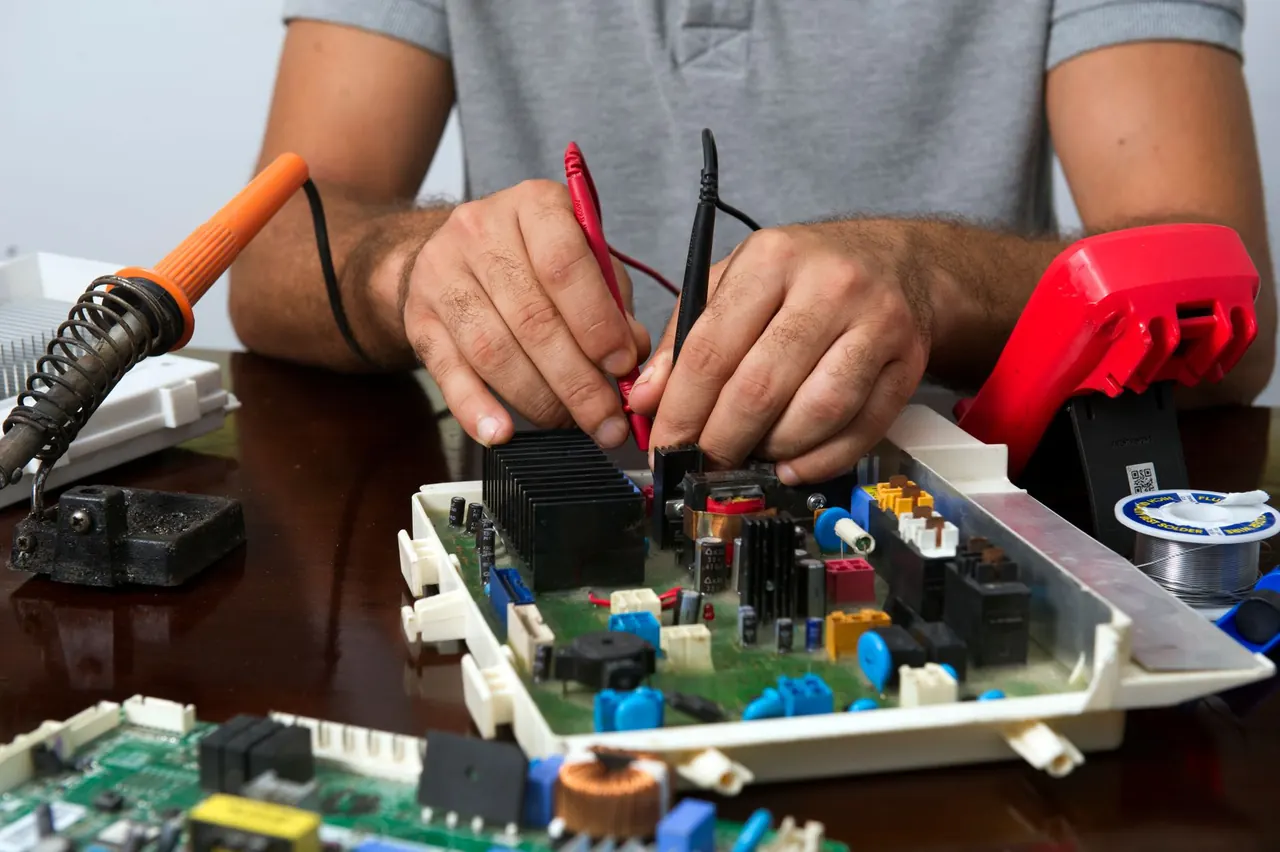
Reads compressor winding resistance, start relay continuity, and control board output voltage. This is the tool that tells us whether the compressor is actually bad or something upstream is killing it.
Measures running and locked-rotor amps without breaking the circuit. We compare the reading against the compressor nameplate to confirm whether it's drawing normal current or seizing up.
Reads suction and discharge pressures during diagnosis and recharge. Correct pressures confirm the compressor is pumping and the charge is right.
Pulls the sealed system down to 500 microns or better after a compressor swap. Skipping this step leaves moisture in the system, which forms acid and kills the new compressor.
Recovers refrigerant from the old system so it can be weighed, recycled, and recharged legally under EPA refrigerant handling requirements.
Sniffs out leaks at brazed joints, the filter drier, and the evaporator coil before we charge the system. Finding a leak now prevents a callback later.
Logs freezer and fresh food temps during the cool-down test. We show you the readings so you know the repair actually worked before we leave.
Every tech on our team holds EPA Section 608 technician certification. That means refrigerant is recovered, weighed, and recharged by the book, with no venting and no eyeballing the charge. It keeps the job legal and keeps your compressor running at the pressures it was designed for.
We follow the service manuals for Whirlpool, GE Appliances, Frigidaire, Samsung, LG, Maytag, KitchenAid, Bosch, Sub-Zero, and Viking platforms. That includes the correct refrigerant type, charge weight, and torque specs for each model, not a generic one-size approach.
Before we open the sealed system, we test the start relay, run capacitor, control board, and temperature sensor. Roughly a third of the compressors we're called out to replace are actually a failed start relay. Testing first saves customers hundreds.
After brazing in a new compressor and filter drier, we pull a deep vacuum and hold it to confirm the system is sealed. Then we leak-test with a refrigerant leak detector before charging. This is the step that separates a repair that lasts from one that comes back.
We work to UL appliance safety standards on every job, which covers electrical grounding, wiring routing, and component ratings. It's not glamorous, but it's how you avoid a fridge that trips breakers or overheats after a repair.

This is the classic start relay failure pattern. We come out, test the relay and compressor windings, and usually fix it with a relay swap in under an hour. If the windings are open, we quote the compressor replacement on the spot. Most customers have cold food again the same day for $60 to $140 instead of $900.
We prioritize rental calls because a warm fridge means a tenant without food storage. We diagnose, quote, and repair in one visit whenever the part is on the truck, and we coordinate access directly with your tenant. Tenant has a working fridge within 24 to 48 hours, and you get one invoice with no surprise charges.
Built-in units are worth repairing. We carry the gauges and have the service training for Sub-Zero, Viking, and Bosch sealed systems. We test the compressor, check the condenser coils, and quote the repair against a replacement cost. A $900 to $1,400 compressor repair saves you $4,000 or more versus replacing a built-in unit.
Early compressor failure usually means something else caused it: a bad start relay, a clogged condenser, or a refrigerant leak. We find the root cause before replacing the compressor, so the new one doesn't fail the same way. You get a compressor that lasts, plus a fix for whatever killed the first one.
We do a fast diagnosis and a written repair quote you can hand to the buyer or your realtor. If the compressor is bad, we can usually complete the repair before closing. A documented repair that keeps the sale on track and removes a negotiation point.
Seguin summers push refrigerators hard. When it's 100F outside and your kitchen is 85F, the condenser coils can't shed heat as fast, so the compressor runs longer and hotter. That's when weak compressors fail. We see a spike in compressor calls from June through September, and a second smaller spike in January when holiday cooking loads the fridge and the defrost system gets a workout. Older homes near the Seguin Downtown Historic District often have top-freezer units from the 1980s and 1990s still running, and those compressors are near the end of their service life. Newer builds in Hiddenbrooke and Arroyo Ranch tend to have French door and side-by-side units with inverter compressors, which fail differently and need different diagnostic tools. If you need a refrigeration compressor technician Seguin TX who actually knows both generations of equipment, that's us. We also handle refrigerator compressor diagnosis in Seguin, Texas for landlords, property managers, and homeowners across Guadalupe County, and we keep common parts on the truck so most jobs finish in one visit.
Older homes with original kitchen layouts often have tight clearances around the fridge, which traps heat and shortens compressor life. We pull the unit out and check airflow before we diagnose.
A mix of 1990s and 2000s builds with top-freezer and side-by-side units. Start relay failures are the most common compressor-related call we get here.
Newer construction with French door and built-in refrigerators. Inverter compressor diagnostics are the norm, and we carry the tools to test them properly.
Larger homes with multiple refrigerators, including garage units that run in extreme heat. Garage fridges see the highest compressor failure rates in the area.
Family homes with heavy fridge use. We see a lot of evaporator fan motor failures here that get mistaken for compressor problems, so we test both.
Condenser coils can't shed heat efficiently, so the compressor runs longer and hotter. This accelerates wear on start relays and capacitors and pushes weak compressors over the edge.
These units are near or past their expected compressor lifespan. Parts are still available for most Whirlpool, GE Appliances, and Frigidaire models, so repair is often worth it.
Garage fridges in Seguin see 110F+ in summer and near-freezing temps in winter. Both extremes stress the compressor and shorten its life. We check ambient conditions before quoting.
Seguin's water is mineral-heavy, which clogs water inlet valves and ice makers. That doesn't kill the compressor directly, but a leaking inlet valve can cause ice buildup that forces the compressor to work harder.
A Mill Creek Crossing homeowner called because their Whirlpool top-freezer was warm and clicking every few minutes. They'd already been quoted $850 for a compressor replacement by another shop. The fridge was only eight years old and otherwise in good shape.
We tested the start relay and found it open. The compressor windings read normal and the amp draw was in spec. A $118 relay swap had the freezer back to 0F within two hours. The homeowner kept $732 in their pocket.
Maintenance: Keep the condenser coils clean and vacuum them twice a year. A relay that fails early is often a sign of heat stress, so good airflow around the back of the fridge matters.
A built-in Sub-Zero in the Seguin Downtown Historic District stopped cooling after 14 years. The homeowner was told by a big-box retailer that built-ins can't be repaired and they'd need a $6,500 replacement unit. They wanted a second opinion before spending that kind of money.
We confirmed the compressor had lost compression, quoted $1,240 for a full replacement with new filter drier and refrigerant, and had it running in one visit. The freezer hit 0F in 75 minutes. That's a $5,260 savings over replacement.
Maintenance: Built-in units need their condenser coils cleaned every six months. We also recommend a professional sealed-system check every three years to catch refrigerant loss early.
A landlord in Arroyo Ranch had a Samsung French door fridge that two other shops couldn't fix. The tenant had been without a working fridge for nine days. Both prior techs guessed at the control board and replaced it, but the fridge still wouldn't cool.
We tested the inverter compressor directly and found it was drawing locked-rotor current. The control board was fine. We replaced the compressor, recharged the system, and had the fridge at 37F the next day. Total cost was $980, and the tenant stopped threatening to withhold rent.
Maintenance: Inverter compressors are sensitive to voltage fluctuations. If your home has flickering lights, a whole-house surge protector is a cheap way to protect the compressor and control board.
Most compressor calls fall into a handful of patterns. Here's what we see most often and how we handle each one.
Food spoils within a day or two, and the compressor runs nonstop trying to catch up, which drives your electric bill up and shortens its remaining life. We test compressor amp draw and suction pressure under load. If the compressor is weak but not dead, we check the start relay and capacitor first. If it's genuinely lost compression, we quote a replacement with a new filter drier and a weighed refrigerant charge.
That clicking is the overload protector tripping because the compressor can't start. Left alone, it burns out the windings and turns a $120 relay job into a $900 compressor job. We pull the start relay and test it, then check the compressor windings for continuity and resistance. Nine times out of ten the relay is the culprit. We replace it, test the start cycle three times, and confirm the compressor pulls down to temperature.
This looks like compressor failure but is often an airflow problem. If we misdiagnose it, you pay for a compressor you didn't need and the real problem stays. We check the evaporator fan motor, the defrost system, and the air damper before we touch the sealed system. If airflow is fine and the compressor is still weak, we move to pressure testing. This order saves customers real money.
A compressor drawing locked-rotor current is a fire risk and will trip a breaker or blow a fuse repeatedly. It also stresses the control board and can take that out too. We clamp the compressor and read locked-rotor amps against nameplate spec. If it's pulling way over, the compressor is seized and needs replacement. We also test the control board and start components so the new compressor doesn't fail the same way.
On an old unit, a compressor replacement can cost more than half the price of a new fridge, and the next failure is usually not far behind. We give you both numbers: the repair cost and a realistic replacement estimate. If the fridge is a Sub-Zero, Viking, or Bosch built-in, repair almost always wins. If it's a 15-year-old top-freezer, we'll tell you straight when replacement makes more sense.
$60 - $1,200 depending on whether it's a start component or a full compressor replacement
We quote every job before we start, and the number we say is the number you pay. Typical 2026 pricing in Seguin runs $60 to $140 for a start relay or capacitor, and $600 to $1,200 for a full compressor replacement with refrigerant and labor. The diagnosis fee is $79 and gets credited toward the repair. If the compressor is dead and the fridge is old enough that replacement makes more sense, we'll tell you that too, even though it means less work for us.
A $900 compressor repair on a $3,000 built-in fridge is a clear win. On a 15-year-old top-freezer, replacement may be the smarter call, and we'll say so. Either way, you get a written price before we start and a 90-day parts warranty on what we install.
Standard reciprocating compressors are cheaper and more common. Inverter-linear compressors used in newer Samsung, LG, and French door units cost more for the part and take longer to diagnose and recharge.
R-134a and R-600a are common and affordable. Older R-12 systems cost more to service because the refrigerant is scarce. We'll tell you which one your fridge uses before we quote.
A freestanding top-freezer is a straightforward job. A built-in Sub-Zero or Viking with tight cabinetry clearances takes longer to access and reassemble, which adds labor.
If the start relay, run capacitor, or filter drier also need replacing, that adds $40 to $180 to the job. We test all of them during diagnosis so there are no surprises mid-repair.
If we find a leak at a brazed joint or the evaporator coil, repairing it adds $150 to $400 depending on location. Fixing the leak is essential, or the new compressor will fail the same way.
Weekend and evening calls carry a higher labor rate. If your fridge dies on a Friday night and you can wait until morning, you'll save money. If you can't, we'll still come out.

Our techs work on sealed refrigeration systems every week, not once a season. That matters, because compressor diagnosis is where most appliance calls go wrong. We hold EPA Section 608 technician certification for refrigerant handling, follow manufacturer-authorized service training for Whirlpool, GE Appliances, Frigidaire, Samsung, LG, Maytag, KitchenAid, Bosch, Sub-Zero, and Viking platforms, and keep current on UL appliance safety standards. We carry NATE-aligned electrical diagnostic training and work under OSHA workplace safety training on every job. When we say the compressor is bad, it's because the windings read open, the current draw is out of spec, or the suction pressure won't pull down, not because we guessed.
Our fridge went warm on a Friday and I figured we'd be buying a new one. The tech tested the start relay, showed me the readings, and swapped it for $118. Compressor was fine the whole time. He could have sold me a $900 replacement and I wouldn't have known the difference. Fridge has been at 37F for three months now.
Our 1970s top-freezer finally quit. They came out same day, confirmed the compressor was dead, and gave us a written quote on the spot. New compressor, new filter drier, recharged and tested. Freezer hit 0F before they left. Old fridge, new life, way cheaper than a built-in replacement.
I manage four rentals in Seguin and use these guys for all of them. Had a Samsung French door unit with an inverter compressor that two other shops couldn't figure out. They diagnosed it in 30 minutes, had the part in two days, and the tenant had cold food again by Wednesday. Fair price, no runaround.
Most compressor replacements in Seguin run $600 to $1,200 in 2026, including parts, refrigerant, and labor. A start relay or run capacitor fix is $60 to $140 installed. The diagnosis fee is $79 and gets credited toward the repair if you move forward. Inverter compressors on newer Samsung and LG units sit at the top of that range because the part costs more and the recharge is fussier.
We do. Seguin Texas Refrigerator Repair Pros handles refrigerator compressor diagnosis, replacement, and recharge across Seguin and Guadalupe County. Our techs are EPA Section 608 certified for refrigerant handling and carry the manifold gauges, recovery machine, and vacuum pump needed to do the job legally and correctly. Call us and we'll book a same-day or next-morning window.
It's worth it if the fridge is under 12 years old and the repair costs less than half of a comparable new unit. A $900 compressor job on a $2,800 built-in Sub-Zero is a clear yes. A $1,100 repair on a 15-year-old top-freezer that's already had two other failures is usually a no. We'll give you both numbers and let you decide.
The three loudest signals are a fridge that won't cool below 50F, a clicking or buzzing from the back every few minutes, and a compressor that runs hot to the touch but never pulls the freezer below 20F. If you hear clicking and the fridge is warm, the start relay is the usual culprit. If the compressor hums, draws high current, and trips its overload, the compressor itself is done.
Not seeing your question? Our local team can help you understand urgency, scheduling and what to expect.
Ask the local team
General refrigerator repair covers everything from a dead outlet to a failed control board. When the symptom points to the sealed system, we escalate to compressor diagnostics. Most Seguin calls start here and narrow down fast.
View service
A warm fridge is the number one reason people call us. We check airflow, the evaporator fan motor, the defrost system, and the compressor in that order. About a third of not-cooling calls trace back to a compressor or start relay fault.
View serviceWater on the floor often traces to a clogged defrost drain or a cracked water inlet valve, not the compressor. We fix the leak source and check the sealed system while we're in there, since a low refrigerant charge can cause ice buildup that melts into a puddle.
View service
An ice maker that quits is sometimes the first sign of a cooling problem. If the freezer isn't holding 0F, the ice maker can't cycle. We test the compressor and freezer temps before replacing the ice maker, so you don't pay twice.
View service
Call us at 1123123123 or email info@seguintexasrefrigeratorrepairpros.com to schedule your refrigerator repair. We answer calls 24/7 and offer same-day appointments in most cases. Our office is located at 123 Main Street in Seguin, Texas, and we serve all of Guadalupe County.