Focused arrival windows
Useful updates and clear arrival timing.
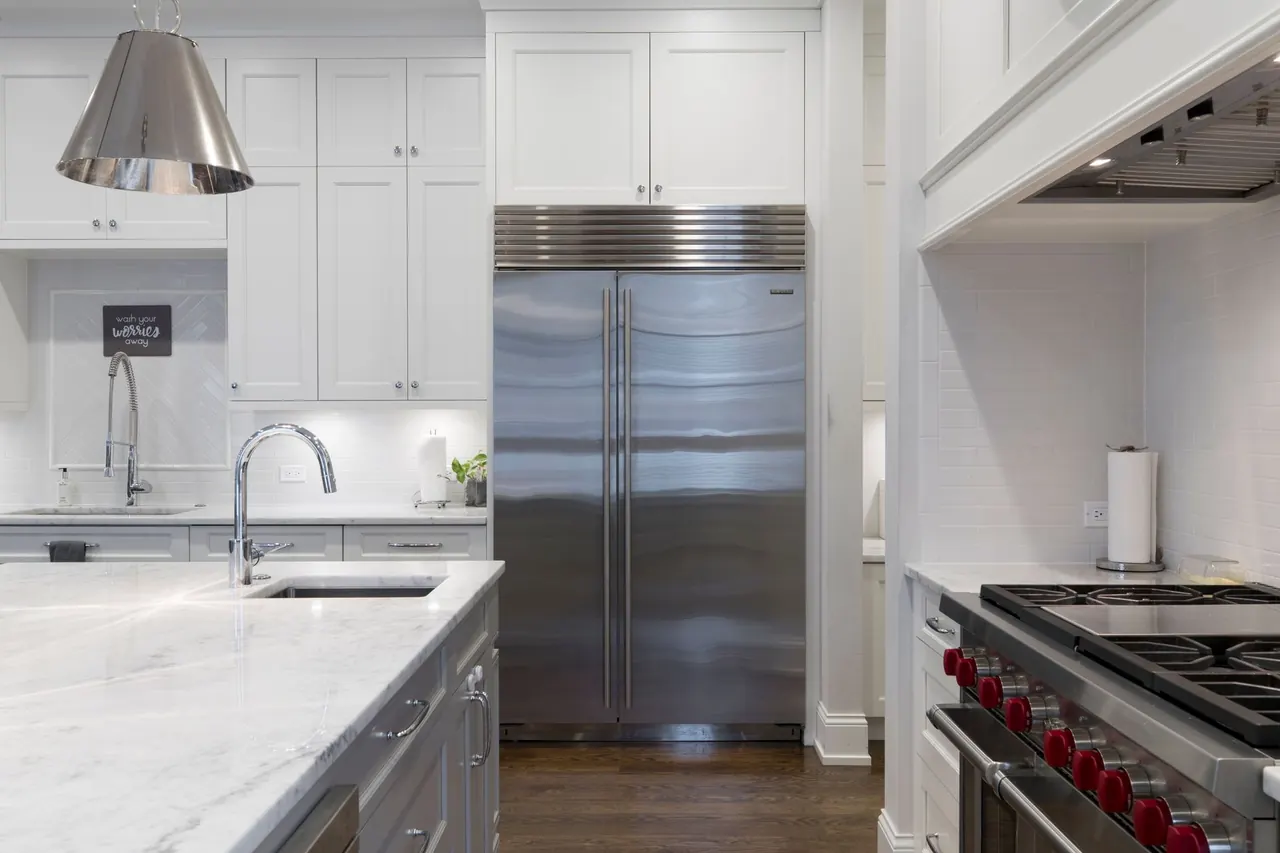
When your refrigerator not cooling repair Seguin TX problem hits, every hour of warm air puts your food at risk. We diagnose warm refrigerators, weak freezer sections, and inconsistent temperatures across Seguin, Texas the same day you call. Our technicians carry the meters, gauges, and parts to fix most cooling failures in one visit, so your fridge is back to 37 degrees before the milk spoils.
Useful updates and clear arrival timing.
Review the approach and price before deciding.
Equipped vehicles and respectful cleanup.
Neighbors serving neighbors with follow-through.
Every cooling repair starts with a full diagnostic, not a guess. We test the components that cause 90 percent of warm-fridge calls, quote the repair upfront, and verify the fix with a temperature probe before we leave. Parts and labor are itemized on your invoice, and the parts warranty is written on the same page.
We test the compressor, start relay, evaporator fan motor, condenser fan motor, temperature sensor, and defrost circuit with a digital multimeter and clamp meter. This 30-to-45-minute diagnostic tells us exactly what failed before we quote a repair.
You get the repair price in writing before we start. Parts and labor are itemized, and we tell you if the repair makes sense on an older unit. No surprise charges after the fact.
We replace the failed component, whether that is a start relay, evaporator fan motor, defrost heater, defrost thermostat, temperature sensor, or door gasket. Common parts are stocked on the truck for one-visit repairs.
We clear any ice blocking the evaporator, check the condenser coil for dust, and flush the defrost drain tube. Blocked airflow and a clogged drain are two of the most common reasons a fridge runs warm in Seguin.
After the repair, we run the fridge and watch a thermometer and temperature probe until the box pulls down to 37 degrees or lower. If it does not hit range, we keep working. The repair is not done until the fridge proves it.
We write the parts warranty on your invoice and walk you through what failed and how to spot it next time. If anything acts up inside the warranty window, you call us back and we make it right.
Share what is happening and receive a clear next step from the local team.
Refrigerator not cooling repair Seguin TX is a diagnostic service that finds why a fridge stops holding temperature and restores it to safe food-storage range, usually 35 to 38 degrees Fahrenheit. We test the compressor, start relay, evaporator fan motor, condenser fan motor, temperature sensor, and defrost system with a digital multimeter and clamp meter, then confirm the fix with a thermometer and temperature probe. Most warm-fridge calls trace back to a failed fan, a stuck defrost heater, or a weak start relay, not a dead compressor.
Seguin summers push refrigerators hard. A unit that ran fine in March can struggle by August when a 100-degree garage or a packed garage fridge forces the condenser to work overtime. If you need a fridge not staying cold repair near me Seguin, we handle the diagnosis and the repair in one trip. We also check door gaskets, drain tubes, and water inlet valves while we are in there, because a small leak or a clogged defrost drain often shows up right alongside a cooling complaint.
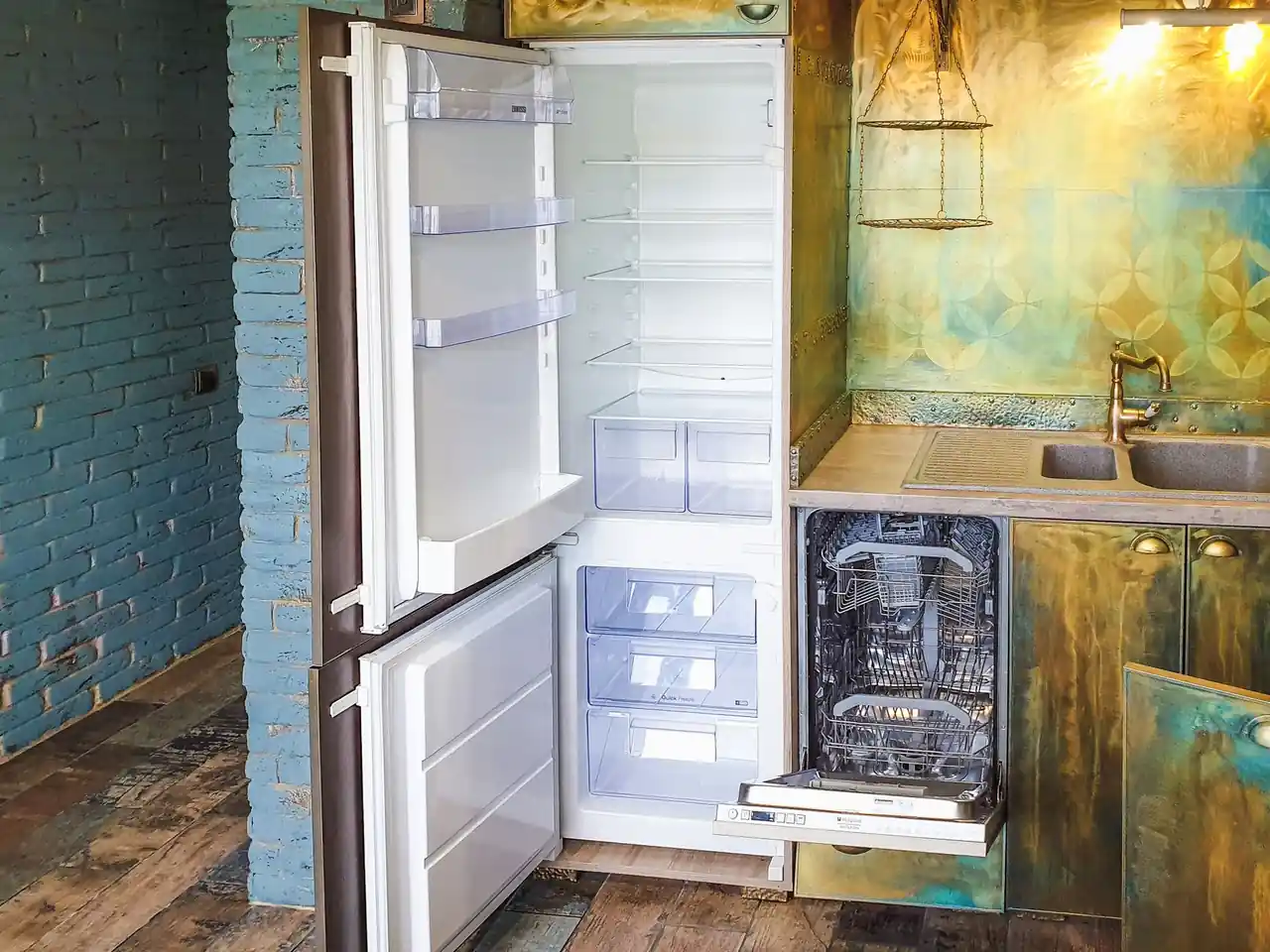
You call and describe the symptoms: warm fridge, cold freezer, frost buildup, or a fridge that never shuts off. We ask the model and a few questions to pre-load the right parts. You get a two-hour arrival window, not a vague all-day promise.
The technician pulls the fridge out, checks airflow at the evaporator and condenser, and meters the start relay, temperature sensor, and fan motors. This takes 30 to 45 minutes. You get a plain-English explanation of what failed before any repair begins.
We price the repair on the spot, including parts and labor. You approve it before we touch a screwdriver. If the repair does not make financial sense on an older unit, we tell you that too, and you still only pay the diagnostic.
We install the failed part, whether that is a start relay, evaporator fan motor, defrost heater, or door gasket. Then we run the fridge and watch the temperature probe until the box hits 37 degrees or lower. Most repairs take one to two hours after diagnosis.
We put the fridge back, wipe down the floor, and walk you through what failed and how to spot it next time. You get the invoice with the parts warranty written on it. If anything acts up inside the warranty window, you call us back.
Tests start relays, temperature sensors, thermostats, and control board outputs for continuity and correct resistance.
Measures compressor amp draw to confirm whether the compressor is running within spec or failing.
Reads high-side and low-side pressures on sealed-system repairs to confirm refrigerant charge and compressor health.
Finds slow refrigerant leaks that cause a fridge to run warm without an obvious mechanical failure.
Verifies the fridge pulls down to 37 degrees or lower after a repair, so we know the fix worked.
Used on sealed-system repairs to recover refrigerant, pull a deep vacuum, and recharge to manufacturer spec.
Straightens bent condenser fins and clears clogged defrost drains that block airflow and cause warm spots.
Every sealed-system job follows EPA refrigerant handling requirements. We recover refrigerant before opening a system, pull a vacuum, and recharge to the manufacturer's specified charge weight. That protects the system and keeps the repair compliant.
We test the start relay, evaporator fan motor, condenser fan motor, temperature sensor, and defrost circuit in sequence rather than replacing parts on a hunch. This is why a call that looks like a compressor often turns out to be a fan motor.
After every cooling repair, we run the fridge and watch a temperature probe until the box hits 37 degrees or lower. If it does not pull down, we keep diagnosing. The repair is not finished until the fridge proves it.
We follow manufacturer-authorized service training for Whirlpool, GE Appliances, Frigidaire, Samsung, LG, Maytag, KitchenAid, Bosch, Sub-Zero, and Viking. That means correct part numbers, correct torque, and correct recharge weights for each platform.

Call us first thing. We prioritize emergency fridge cooling repair Seguin TX calls and confirm a same-day window. We bring common parts so most cooling failures finish in one visit, and we test the fridge before we leave. Your food stays safe and the fridge is back to 37 degrees the same day, usually within a few hours of the call.
Garage fridges work harder in 100-degree heat, and a packed condenser coil or weak start relay is often the cause. We clean the coil, test the relay and fan motors, and repair the failed part. The garage fridge holds temperature again, and you avoid buying a replacement unit.
That pattern points to an airflow or defrost fault, not a dead compressor. We test the evaporator fan motor and defrost circuit first, which keeps the repair smaller and the bill lower. You get a straight answer on what failed, a repaired fridge, and a lower bill than a compressor replacement would have cost.
A power cycle rarely fixes a sensor, thermostat, or control board fault. We meter each component and replace the failed part, then verify steady temperature with a probe. The fridge holds a steady 37 degrees, and you stop guessing whether the food inside is safe.
Seguin sits in Guadalupe County where summer heat regularly pushes past 100 degrees, and that heat is hard on refrigerators. A condenser coil that is dusty in March can choke airflow by July, which is why we clean coils on almost every cooling call between May and September. Garage and shop fridges take the worst of it, running in ambient heat that forces the compressor to cycle longer and work harder. Many Seguin homes also have older refrigerators that have been running for 15 or 20 years, and on those units a start relay or evaporator fan motor is a more likely failure than a dead compressor. If you need refrigerator cooling service in Seguin, Texas, we route trucks through Downtown Seguin, Mill Creek Crossing, and Arroyo Ranch daily, so we can usually confirm a same-day window. We also check door gaskets and defrost drains on every visit, because a worn gasket or a clogged drain often shows up alongside a cooling complaint. Our goal is simple: find the failed part, fix it, and prove the fridge holds 37 degrees before we leave.
Older homes here often have vintage refrigerators still in service, where start relays and fan motors fail more often than compressors.
Newer construction with garage fridges that run hot in summer; condenser coil cleaning is a common part of the repair.
Larger kitchens with French door and side-by-side units, where dual evaporator airflow faults are the usual cooling complaint.
Built-in and counter-depth refrigerators that need careful panel removal and airflow checks during a cooling repair.
Family homes with heavy fridge use, where door gasket wear and defrost drain clogs show up alongside warm-fridge calls.
Condensers work harder and garage fridges struggle to hold temperature. We clean coils and test compressor amp draw to confirm the unit is not overworking.
Units running 15 to 20 years are more likely to need a start relay or fan motor than a full compressor replacement, which keeps many repairs affordable.
Hard water scales up water inlet valves and dispenser lines over time, so we check those components when a cooling call also involves a water or ice complaint.
Dust packs condenser coils faster, blocking airflow and causing the fridge to run warm. Coil cleaning is often part of the fix on garage units.
A French door refrigerator in Mill Creek Crossing held 55 degrees in the fridge while the freezer stayed at 0. The homeowner had already lost a shelf of produce and was pricing new units.
We found a failed evaporator fan motor and heavy ice on the coil. After replacing the motor and clearing the ice, the fridge pulled down to 37 degrees in about 90 minutes. The homeowner kept the unit.
Maintenance: Keep the condenser coil clean twice a year and leave a few inches of clearance behind the fridge so airflow stays strong.
A garage refrigerator in Arroyo Ranch stopped cooling during a stretch of 100-degree days. The compressor ran nonstop and the fridge never got below 60 degrees.
The condenser coil was packed with dust and the start relay was weak. We cleaned the coil, replaced the relay, and the fridge held 37 degrees within two hours. Amp draw dropped back into spec.
Maintenance: Vacuum the condenser coil every spring and keep the garage fridge out of direct sun where possible.
A side-by-side in Downtown Seguin swung between 34 and 50 degrees for weeks. Food spoiled twice and the homeowner could not trust the fridge.
We tested the temperature sensor and found it reading 8 degrees off. After replacing the sensor, the fridge held a steady 37 degrees across a 24-hour test. No more swings.
Maintenance: Check the door gasket seal monthly with a dollar-bill test and replace the gasket if it does not grip.
Most warm-fridge calls come down to a handful of failures. Here is what we see most and how we fix it.
This usually means the evaporator fan or defrost system failed, so cold air never reaches the fridge section. Left alone, ice builds on the coil and the fridge warms further. We test the evaporator fan motor and defrost heater first, since those cause most refrigerator not cooling but freezer works repair Seguin calls. We replace the failed part, clear any ice, and verify airflow to the fridge section.
A nonstop compressor with no cooling often points to a refrigerant leak, a weak start relay, or a failing compressor. Running that way drives up your power bill and can burn out the compressor. We meter the start relay and use a refrigeration manifold gauge set and refrigerant leak detector to check the sealed system. If it is a relay or leak, we repair it. If the compressor failed, we quote a compressor repair honestly.
Temperature swings spoil food faster and make it hard to trust the fridge. The cause is usually a failing temperature sensor, thermostat, or control board. We test the temperature sensor and thermostat, then check the control board output. Replacing the failed sensor or board restores steady 37-degree operation, which is what fridge temperature troubleshooting Seguin calls usually come down to.
Heavy frost means the defrost system stopped cycling. The ice eventually blocks the evaporator coil and starves the fridge of cold air, so the fridge warms while the freezer frosts over. We test the defrost heater and defrost thermostat, replace the failed component, and clear the frost. Once airflow returns, the fridge pulls back down to temperature.
A clogged defrost drain traps water inside the unit, which can freeze, block airflow, and cause warm spots. Standing water also damages shelves and can warp the floor. We clear the drain tube, flush it with a wet/dry vacuum, and confirm water flows to the pan outside the unit. Clearing the drain often restores airflow and fixes the warm spots at the same time.
$180 - $900 depending on the failed component and whether sealed-system work is needed
Typical 2026 pricing in this area runs $180 to $450 for common cooling repairs like a fan motor, start relay, defrost thermostat, or temperature sensor, and $500 to $900 when a compressor or sealed-system repair is involved. The diagnostic fee is quoted upfront, and you approve the repair price before we start. If the repair does not make financial sense on an older unit, we tell you that too. You pay for the diagnosis, and you get a straight answer either way.
You get a diagnosis before a repair quote, so you are never paying for parts you do not need. Most cooling repairs finish in one visit, and the parts warranty is written on your invoice.
A start relay or temperature sensor is a smaller repair than a compressor or sealed-system job. The part cost and labor time drive most of the difference in price.
Built-in, French door, and side-by-side units take longer to access than top-freezer models, which adds labor time. Sub-Zero and Viking built-ins need careful panel removal.
If the repair involves refrigerant recovery, a leak repair, and a recharge, the job requires EPA Section 608 handling and adds significant time and material cost.
Common parts on the truck mean a one-visit repair at standard pricing. A special-order part adds a return trip, which affects the total.
On a refrigerator running 15 to 20 years, we weigh the repair cost against replacement. Sometimes the honest answer is that a new unit makes more sense.
Our technicians work on refrigerators every day, not as a side job between HVAC calls. We hold EPA Section 608 technician certification for refrigerant handling, follow EPA refrigerant handling requirements on every sealed-system job, and train on manufacturer-authorized service procedures for Whirlpool, GE Appliances, Frigidaire, Samsung, LG, Maytag, KitchenAid, Bosch, Sub-Zero, and Viking. We also work to UL appliance safety standards and keep OSHA workplace safety training current. That matters when a job involves recovering refrigerant, brazing a line, or pulling a vacuum on a sealed system.
Our French door fridge went warm on a Friday and the freezer was still cold. They came out the same afternoon, found a failed evaporator fan motor, and had the part on the truck. Fridge was back to 37 degrees before dinner. Fair price and no upsell.
I called about a refrigerator not cooling but freezer works issue and figured it was the compressor. Turned out to be a stuck defrost heater icing up the coil. They cleared the ice, replaced the heater, and saved me from buying a new fridge. Honest diagnosis.
Our garage fridge quit cooling in August. They came out, cleaned a packed condenser coil, replaced a weak start relay, and checked the door gaskets. It has run fine since. They explained everything and did not try to sell me a new unit.
The most common causes are a failed evaporator fan motor, a stuck defrost heater, a weak start relay, or a dirty condenser coil. In Seguin, summer heat and garage fridges push condensers harder, so coil cleaning matters. We meter each component and tell you exactly which one failed instead of guessing.
We do. Our technicians handle refrigerator not getting cold repair Seguin calls daily, from French door and side-by-side units to built-in Sub-Zero and Viking models. We carry EPA Section 608 certification for sealed-system work and stock common parts on the truck. Call and we will get you a same-day window.
Typical 2026 pricing in this area runs $180 to $450 for common cooling repairs like a fan motor, start relay, or defrost thermostat, and $500 to $900 when a compressor or sealed-system repair is involved. The diagnostic fee is quoted upfront, and you approve the repair price before we start.
Yes, we schedule same-day refrigerator not cooling repair Seguin TX calls whenever the route allows, and we confirm your arrival window on the phone. If we cannot make it today, we tell you honestly and book the first slot tomorrow. Emergency fridge cooling repair Seguin TX calls get priority.
Not seeing your question? Our local team can help you understand urgency, scheduling and what to expect.
Ask the local team
General refrigerator repair covers the full appliance, not just cooling. If your fridge has a cooling fault plus a broken shelf, a bad light, or a control issue, we handle it in the same visit so you are not booking two appointments.
View service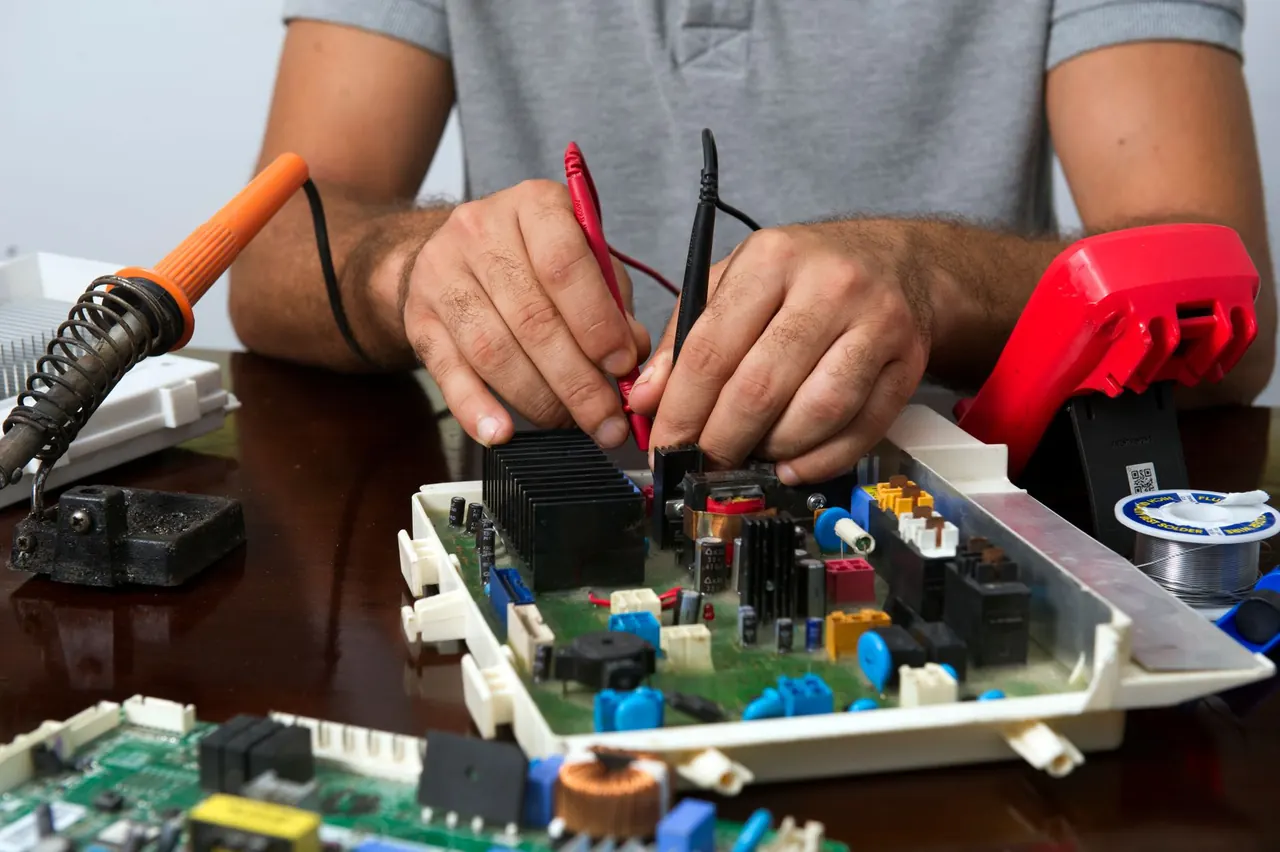
A water leak often shows up alongside a cooling complaint because a clogged defrost drain overflows into the fridge. We trace the leak to the drain tube or water inlet valve and fix it before it warps your floor or ruins a shelf.
View service
A warm freezer section stops making ice long before you notice the temperature. If your ice maker quit and the fridge feels warm, we diagnose both together. Often one repair, usually a fan or defrost fault, restores ice production and cooling.
View service
A loud buzzing or rattling refrigerator often means a failing evaporator fan motor or condenser fan motor, the same parts behind many cooling failures. Fixing the noise early frequently prevents a warm-fridge call a few weeks later.
View service
Call us at 1123123123 or email info@seguintexasrefrigeratorrepairpros.com to schedule your refrigerator repair. We answer calls 24/7 and offer same-day appointments in most cases. Our office is located at 123 Main Street in Seguin, Texas, and we serve all of Guadalupe County.