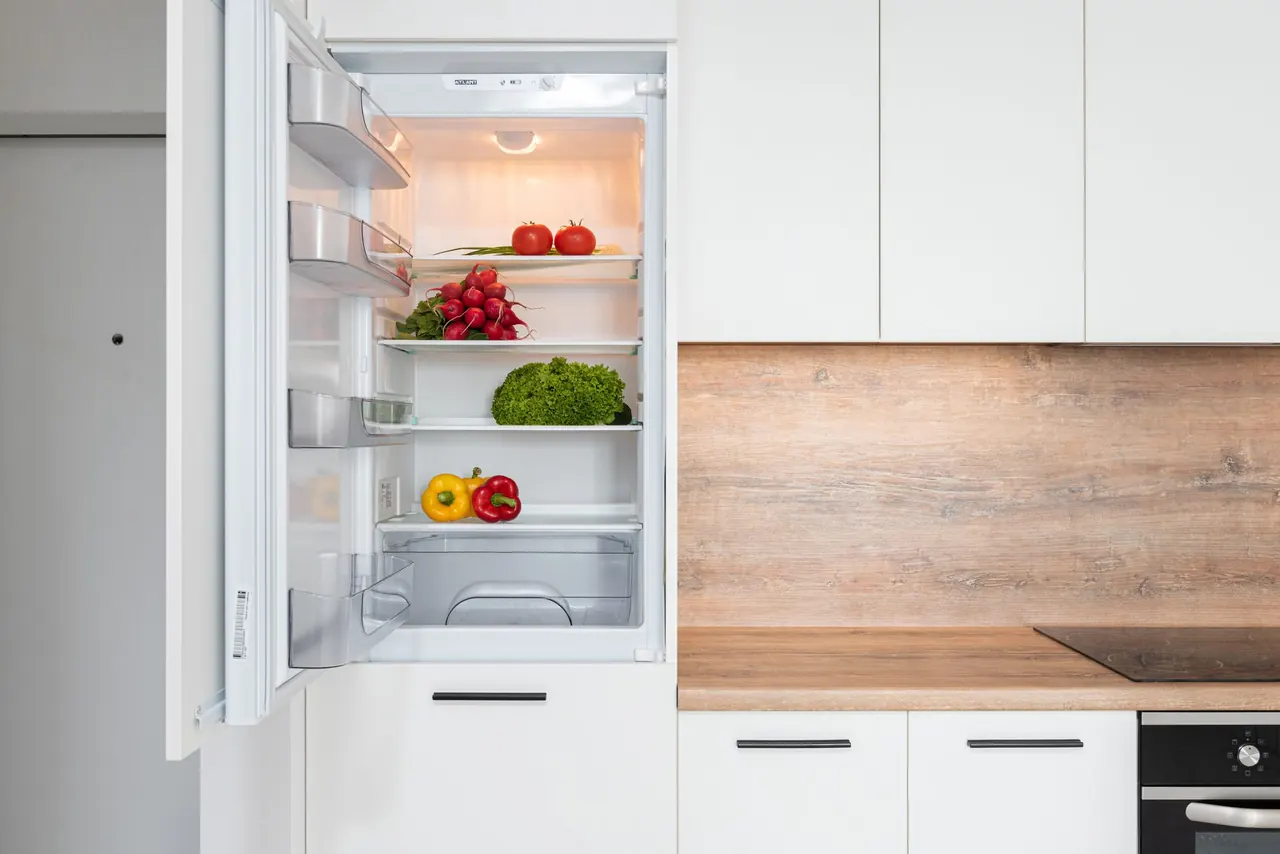
How to check refrigerator temperature in a Seguin home
A step-by-step guide to checking your fridge temperature in Seguin, TX. Learn ideal temps, thermometer placement, and when to call a pro.
To check your refrigerator temperature in a Seguin home, place an appliance thermometer in the middle of the fridge, wait 5-8 hours without opening the door, and confirm the reading stays between 35°F and 38°F. If it's outside that range, adjust the thermostat and recheck after 24 hours. This guide walks you through the exact steps, the best thermometer placement, and when a temperature problem means you need a repair rather than a setting change.
Seguin's summer heat pushes refrigerators harder than most people realize, and a fridge that ran fine in January can quietly drift into the danger zone by August. We've seen it in homes from the Guadalupe River corridor to the older neighborhoods near downtown. The good news: checking your fridge temperature takes about ten minutes of actual work, and it's the single best way to protect your food and catch a failing compressor before it costs you a freezer full of groceries.
Why Checking Your Refrigerator Temperature Matters in Seguin
Seguin sits in a climate where outdoor temperatures regularly hit 100°F from June through September, and that heat stresses every refrigerator compressor in the city. When the ambient temperature in your kitchen climbs above 90°F, your fridge has to work significantly harder to maintain its internal temperature. That extra workload accelerates wear on the compressor, the condenser coils, and the door gaskets.
Food safety is the other half of the equation. Bacteria like Listeria and Salmonella multiply rapidly between 40°F and 140°F - the range food safety experts call the danger zone. A refrigerator running at 42°F might feel cold to your hand, but it's actively allowing bacteria to grow on your leftovers, deli meats, and dairy. The difference between 38°F and 42°F is the difference between safe food and a stomach bug.
We also see a pattern in Seguin's older housing stock. Homes built before 1980 often have kitchens with poor ventilation and limited cabinet clearance around the fridge. That trapped heat forces the compressor to run longer cycles, which shortens its lifespan. If you've noticed your fridge running almost constantly during the summer, checking the temperature is the first diagnostic step.
What Is the Ideal Refrigerator Temperature for Food Safety?
The ideal refrigerator temperature for food safety is 37°F, with an acceptable range of 35°F to 38°F. The freezer should stay at 0°F or below. These numbers come from the FDA and USDA, and they're not negotiable if you want your food to stay safe.
Here's why 37°F is the sweet spot: it's cold enough to keep bacteria from multiplying, but not so cold that your milk freezes or your produce gets frost damage. Setting your fridge to 35°F gives you a safety buffer for warm days when the compressor can't quite keep up. Setting it to 40°F is technically still outside the danger zone, but it leaves no margin for error.
For the freezer, 0°F is the target. A freezer running at 10°F will still keep food frozen, but it accelerates freezer burn and reduces the safe storage time for meat and fish. If your freezer is above 5°F, you've got a problem worth investigating.
One more number worth knowing: the temperature difference between the top and bottom of your fridge. In a side-by-side model, the bottom shelf can be 3-5°F colder than the top. That's normal. But if you're seeing a 10°F spread, you likely have a circulation fan issue. Our refrigerator fan motor repair Seguin TX team handles that exact problem regularly.
How to Check Refrigerator Temperature Without a Built-In Display
Most refrigerators built before 2015 don't have a digital temperature display, and even many newer models only show the setpoint - not the actual internal temperature. Here's how to check refrigerator temperature without a built-in display, using a $10 appliance thermometer.
You'll need:
- A refrigerator thermometer (not a meat thermometer - those aren't calibrated for cold ranges)
- A glass of water (optional, for a more stable reading)
- A notepad or phone to record the reading
Step 1: Place the thermometer in the middle of the refrigerator, on a shelf - not in the door, not against the back wall. The middle shelf gives you the most representative reading.
Step 2: Close the door and leave it alone for 5-8 hours. Overnight is ideal. Every time you open the door, you let warm air in and reset the clock.
Step 3: Read the thermometer without leaving the door open longer than necessary. Write down the number.
Step 4: If the reading is between 35°F and 38°F, you're done. If it's outside that range, adjust your thermostat one notch colder or warmer and repeat the test after 24 hours.
For a more precise reading, put the thermometer in a glass of water on the middle shelf. Water has a high thermal mass, so it gives you a stable temperature that isn't affected by the door opening. This is the method commercial kitchens use, and it works just as well at home.
If your fridge has a built-in display, don't trust it blindly. Those sensors are often mounted near the evaporator coil and can read 3-5°F colder than the actual food zone. Always verify with a standalone thermometer at least twice a year.
Where Should You Place a Thermometer in Your Fridge?
Thermometer placement matters more than most people think. The wrong spot can give you a reading that's off by 5°F or more, which means you're either overworking your fridge or missing a real problem.
Best placement: The middle shelf, toward the front but not in the door. This area represents the temperature your food actually experiences.
Worst placements:
- Door shelves: These are the warmest part of the fridge because they're exposed every time you open the door. A reading here can be 8-10°F warmer than the center.
- Against the back wall: This is the coldest spot, often near the evaporator. You'll get a reading that's artificially low.
- Top shelf near the vent: In many models, the cold air enters at the top. A thermometer here reads colder than the rest of the fridge.
- Crisper drawers: These are designed to be slightly warmer and more humid. Not representative.
If you want to be thorough, check three spots: middle shelf, bottom shelf, and door. Write down all three readings. A spread of 3-5°F is normal. A spread of 10°F or more means you've got an air circulation problem - often a failing evaporator fan or a blocked vent.
For Seguin homeowners with French door or side-by-side models, pay extra attention to the freezer side. Those units have separate evaporators, and one side can fail while the other keeps running. Our side-by-side refrigerator repair Seguin TX technicians see this constantly in the summer months.
How Long Does It Take to Measure Refrigerator Temperature?
You need to leave a thermometer in your refrigerator for at least 5 hours to get an accurate reading. Eight hours - overnight - is better. Here's why: the air inside your fridge changes temperature quickly, but the food takes much longer to stabilize. A thermometer that's only been in for an hour is reading air temperature, not food temperature.
If you're using the glass-of-water method, give it a full 8 hours. The water needs time to reach equilibrium with the surrounding air. Once it does, you'll get a reading that's accurate to within 1°F.
After you make a thermostat adjustment, wait 24 hours before checking again. The compressor needs a full cooling cycle to respond to the new setting. Checking too soon will give you a misleading number and lead you to make unnecessary adjustments.
For a quick sanity check - not a precise measurement - you can use an infrared thermometer on a glass of water that's been in the fridge overnight. Point it at the water, not the glass. This gives you a rough number in seconds, but it's not accurate enough for food safety decisions.
Common Mistakes to Avoid When Checking Fridge Temperature
The most common mistake we see in Seguin homes is checking the temperature right after a grocery run. Loading a fridge with warm food raises the internal temperature by 5-10°F for several hours. Wait at least 12 hours after a big shopping trip before you test.
Other mistakes:
- Using a meat thermometer. Those are calibrated for 130-200°F. At 37°F, they can be off by 5°F or more.
- Checking the door shelf. As mentioned, the door is the warmest part of the fridge. A reading there tells you nothing about the food zone.
- Opening the door every hour to check. Each time you open the door, you let in warm, humid Seguin air. That humidity condenses on the evaporator coil and forces the defrost system to work harder.
- Ignoring the freezer. A freezer running at 15°F will still freeze food, but it's a sign that the compressor is struggling. Check both compartments.
- Adjusting the thermostat based on one reading. Temperature fluctuates throughout the day. One reading of 40°F doesn't mean you need to turn the dial. Take three readings over three days before making a change.
If you've ruled out all these mistakes and your fridge still won't hold temperature, the problem is mechanical. It could be a failing thermostat, a refrigerant leak, or a compressor on its way out. Our refrigerator temperature issue repair Seguin TX service diagnoses these problems with a full pressure and amp-draw test.
When to Call a Professional for Refrigerator Temperature Problems
Call a professional when your fridge can't hold 38°F or below after 24 hours on the coldest setting, when the compressor runs constantly without cooling, or when you see frost buildup on the back wall of the freezer. Those are signs of a mechanical failure that no amount of thermostat adjustment will fix.
Here's a quick decision guide:
- Fridge is 39-42°F and the compressor cycles normally: Adjust the thermostat, check the door gaskets, and recheck in 24 hours.
- Fridge is above 45°F: Move your food to a cooler or a neighbor's fridge and call us. This is a food safety emergency.
- Freezer is above 10°F: The defrost system or compressor is likely failing.
- You hear clicking, humming, or buzzing from the back: The compressor or start relay is failing. Don't wait.
- Frost is building up inside the freezer: The defrost heater or timer has failed. This will eventually block airflow and warm the whole unit.
We've been fixing refrigerators in Seguin long enough to know that most temperature problems fall into three categories: airflow, refrigerant, or controls. Airflow problems - a failing fan or a blocked vent - are the cheapest to fix. Refrigerant leaks are more involved. Control board failures are the most expensive. A proper diagnosis tells you which one you're dealing with before you spend a dime on parts.
If you're in the Guadalupe County area and your fridge is struggling, our refrigerator repair Seguin TX team can usually get to you the same day. We carry the most common thermostats, fan motors, and defrost timers on our trucks, so most repairs are done in a single visit.
Frequently Asked Questions
How do I check my refrigerator temperature at home?
Place an appliance thermometer on the middle shelf, close the door, and wait 5-8 hours. Read the temperature without leaving the door open. The reading should be between 35°F and 38°F. If it's outside that range, adjust the thermostat and recheck after 24 hours.
What is the recommended refrigerator temperature?
The FDA recommends 37°F for the refrigerator and 0°F for the freezer. The acceptable range for the fridge is 35-38°F. Anything above 40°F for more than two hours puts your food in the danger zone for bacterial growth.
Where should I place a thermometer in my fridge?
Place it on the middle shelf, toward the front but not in the door. Avoid the back wall, the door shelves, and the crisper drawers - those areas read either too cold or too warm. For the most accurate reading, put the thermometer in a glass of water.
How long does it take to measure refrigerator temperature?
Give it at least 5 hours, preferably 8 hours or overnight. The thermometer needs time to equalize with the food and air inside the fridge. After adjusting the thermostat, wait a full 24 hours before checking again.
When should I get refrigerator temperature service in Seguin?
Call for service when your fridge won't hold 38°F or below after 24 hours on the coldest setting, when the compressor runs nonstop, or when you see frost buildup in the freezer. Those symptoms point to a mechanical failure that needs professional diagnosis.
Get Help with Refrigerator Repair in Seguin
If your refrigerator won't hold temperature, we can help. Our technicians serve Seguin and the surrounding Guadalupe County area with same-day appointments and upfront pricing. We'll diagnose the problem, explain your options, and get your fridge back to 37°F.
Call us at 1123123123 to schedule a visit.